

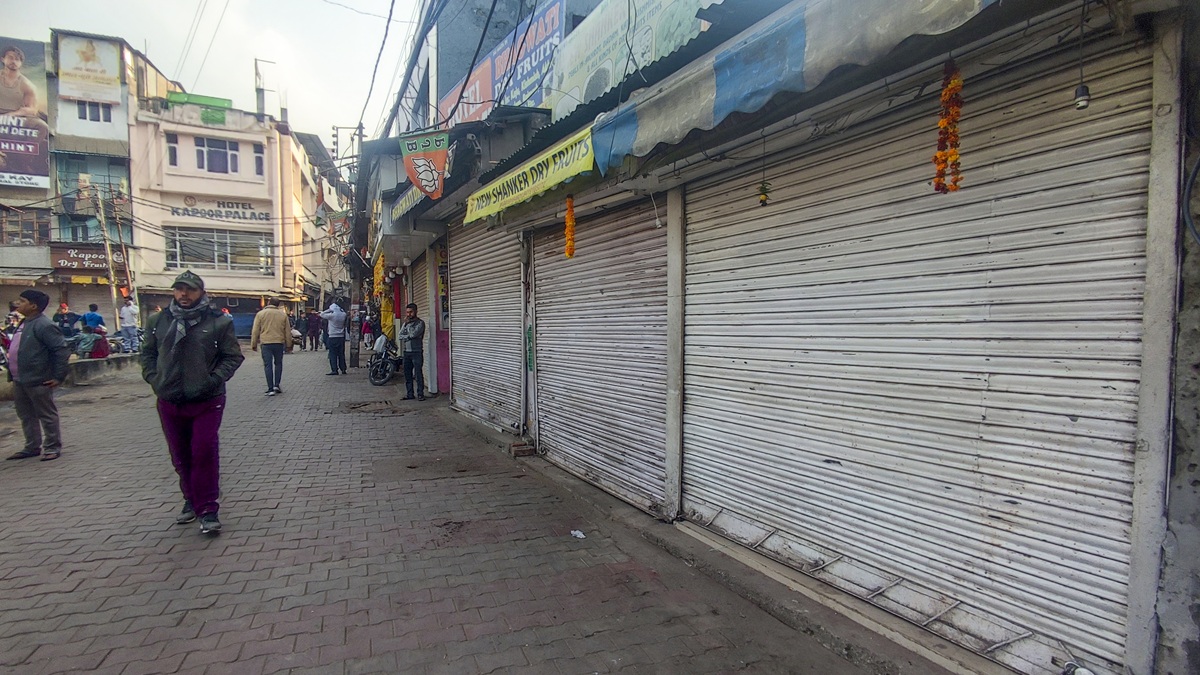


A 72-hour blockade in Katra, Jammu, began on December 25, with local business owners, including shopkeepers and pony wallas, organizing a protest against the proposed Mata Vaishno Devi ropeway project. The bandh, led by the Shri Mata Vaishno Devi Sangarsh Samiti, aimed to suspend all activities in the town, voicing concerns over the potential impact of the ₹250-crore project on their livelihoods.
The project, which was announced by the Shri Mata Vaishno Devi Shrine Board, is designed to provide an easier route for elderly pilgrims, children, and those unable to walk the 13-kilometre trail to the shrine. The ropeway will connect Tarakote Marg to Sanji Chhat, leading directly to the shrine. While the project is intended to enhance accessibility for pilgrims, local residents argue that it threatens their businesses and employment opportunities.
Protesters have expressed concerns that the construction of the ropeway will render local labourers, shopkeepers, and service providers unemployed, as many rely on the old pilgrimage path for their livelihood. Tensions escalated as the police used lathi-charges to disperse the crowd, and several protesters were detained. A flag march was conducted by security forces to maintain peace in the town.
The blockade has caused significant inconvenience to pilgrims visiting the Vaishno Devi shrine. With restaurants closed and local transit suspended, many pilgrims have complained about the hardships they are facing. Aruna, a pilgrim from Meerut, expressed her frustration, stating, “The closure of stores is causing issues here. The ropeway project will benefit the elderly and ill, and the facilities are needed.”
Despite the disruption to pilgrim activities, both local BJP and Congress factions have lent their support to the protest. Authorities had initially scheduled a meeting with the deputy commissioner of Reasi, but it was postponed as the administration sought more time to consult with higher-ups.
The protest continues, as local residents demand a halt to the project, while others argue that it is necessary for improving accessibility to the shrine.
Sources By Agencies