

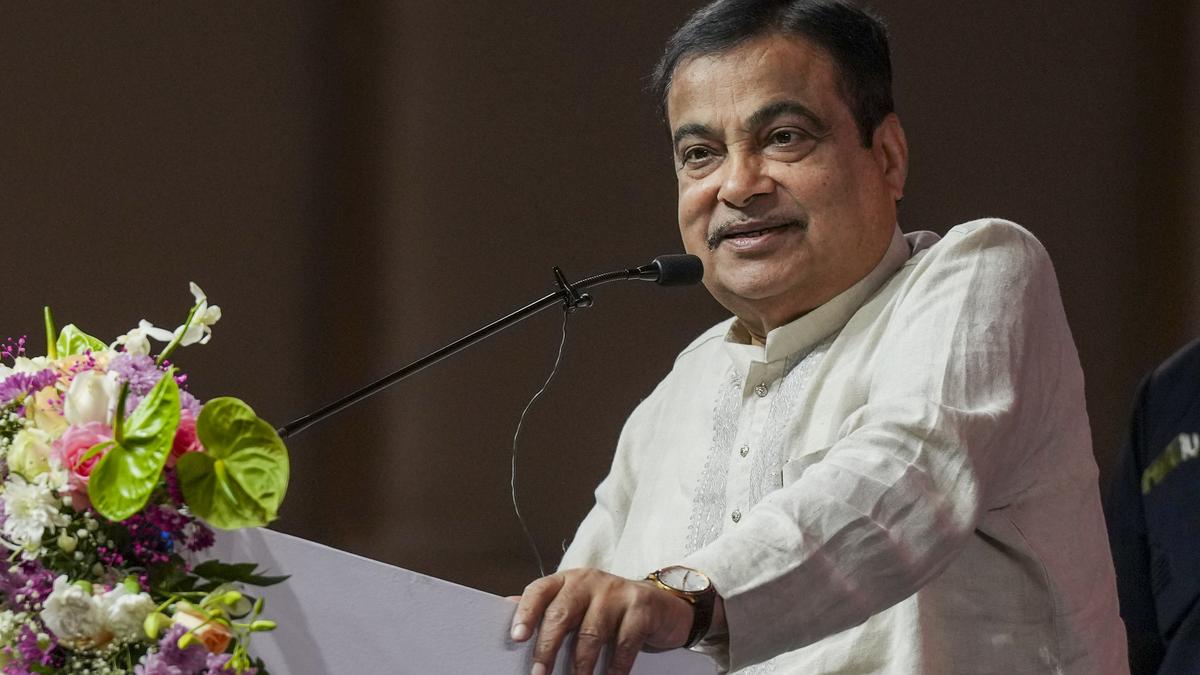


In a bid to address the growing road accident fatalities across India, Union Minister of Road Transport and Highways, Nitin Gadkari, announced a significant initiative aimed at providing cashless treatment for road accident survivors. The scheme, which is currently being piloted, will provide treatment worth up to ₹1.5 lakh for seven days to crash survivors. It is set to be expanded nationwide by March 2025, with the goal of reducing the number of fatalities and ensuring timely medical care for accident victims.
The announcement came during a workshop held with transport secretaries and commissioners from various states. Gadkari highlighted that this initiative is a crucial step toward improving road safety and reducing fatalities, which saw a rise in recent years. In 2022, over 33,000 people lost their lives in accidents involving trucks, according to ministry reports. Furthermore, road fatalities in India surged to 1.72 lakh in 2023, marking a 4.2% increase from the previous year.
The cashless treatment scheme has already benefited 6,840 people in pilot states like Assam, Chandigarh, Punjab, Uttarakhand, Puducherry, and Haryana. Gadkari expressed optimism that once the scheme is fully implemented, it could help save up to 50,000 lives by ensuring medical treatment is provided during the critical “golden hour” after an accident.
In addition to the cashless treatment scheme, Gadkari also unveiled plans to introduce three tech-based systems for commercial vehicles. These include an audio warning system to alert drivers when they are falling asleep behind the wheel, electronic stability control, and an automatic emergency braking system to activate when the vehicle detects steering control issues. These measures are designed to prevent accidents and improve road safety, particularly for heavy vehicles.
Addressing the issue of commercial vehicle driver fatigue, Gadkari mentioned that the ministry is exploring an Aadhaar-based system to monitor driver working hours and ensure that drivers do not exceed the prescribed limits of eight hours per day. Furthermore, the reward for Good Samaritans who help accident victims will also be increased from ₹5,000, incentivizing more people to offer assistance during emergencies.
On the topic of air ambulance services, Gadkari revealed that discussions are ongoing with the Ministry of Civil Aviation to facilitate air ambulance operations by preparing helipads at highway amenities and ensuring hospitals are equipped to accommodate air ambulances.
One of the major challenges that India faces is the shortage of skilled drivers, which impacts the transportation industry. The Ministry of Road Transport estimates that there is a shortage of 22 lakh skilled drivers, and 75% of transport businesses are affected. To address this, Gadkari announced plans to open 1,250 new driving learning centers, aiming to improve the availability of qualified drivers and reduce accidents caused by unauthorized drivers.
Additionally, the Ministry is working on drafting the Bharat Stage 7 (BS7) emission norms, which will be issued by the end of this year, with consultations scheduled to begin in mid-2025. Gadkari also mentioned that the government is working on establishing safety standards for e-rickshaws and is promoting a circular economy for vehicles through a scrappage policy. To further this, the government is looking into creating a carbon-credit-like system for vehicle operators.
These comprehensive measures reflect the government’s commitment to road safety, the welfare of accident victims, and the overall improvement of transportation infrastructure in India.
Sources By Agencies