



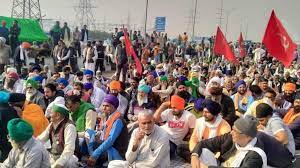
In the midst of ongoing protests and tense negotiations between farmers and the government, the Samyukt Kisan Morcha (SKM), an umbrella organization representing various farmer unions, has dismissed a five-year contract offer from the Centre regarding Minimum Support Prices (MSP). The proposal emerged from a fourth round of talks held in Chandigarh, where farmers voiced their discontent with the terms presented.
The contract offered by the government pertained to the purchase of three types of pulses, maize, and cotton at the existing MSP rates. However, the SKM swiftly rejected the offer, labeling it as a diversion from their core demands. Instead, they reiterated their stance for the procurement of all crops, totaling 23 varieties, at MSP rates based on the C2+50 percent formula recommended by the Swaminathan Commission.
Criticism was also directed at the lack of transparency demonstrated by the government throughout the negotiation process. Despite engaging in four rounds of talks, the SKM expressed disappointment at the absence of substantial progress on key demands, including loan waivers, electricity tariff freezes, withdrawal of legal cases from previous protests, and the implementation of a comprehensive public sector crop insurance scheme.
Furthermore, unresolved issues such as the demand for a monthly pension of ₹10,000 for farmers over 60 years old and calls for the prosecution of junior Home Minister Ajay Mishra Teni in relation to the Lakhimpur Kheri incident have fueled discontent among the farming community.
While the SKM is not the primary organization leading the current protests, its rejection of the government’s offer holds significant weight. As a federation representing numerous farmer unions, the SKM’s stance can sway opinions among those participating in the ongoing protests, particularly those stationed at the Punjab and Haryana border.
Despite being given 48 hours to deliberate on the government’s proposal, initial reactions from farmers indicate skepticism, with many citing the offer as lacking benefits for farmers in Punjab and Haryana. At the core of the protests, encapsulated by the ‘Delhi Chalo 2.0’ movement, lies the persistent demand for legal backing and assurance of MSPs, reflecting the deep-seated concerns within the agricultural community regarding fair pricing and government support.
As negotiations continue, the standoff between farmers and the government underscores the urgent need for a comprehensive resolution that addresses the fundamental grievances of the farming community, ensuring equitable policies and sustainable livelihoods for those dependent on agriculture.
Sources By Agencies