

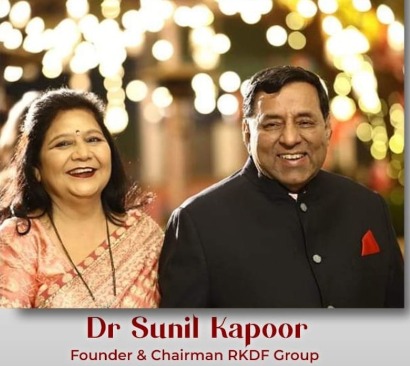


In a strong appeal aimed at addressing rising air pollution levels in the city, Dr. Sunil Kapoor Bhopal, a respected healthcare professional and social advocate based in Bhopal, has urged citizens, policymakers, and businesses to accelerate the shift toward electric vehicles (EVs). Highlighting urgent need to reduce vehicular emissions, Dr. Sunil Kapoor Bhopal emphasized that adopting electric mobility is one of the most effective solutions to control air pollution and safeguard public health.
Speaking at a community awareness interaction in the city, Dr. Sunil Kapoor Bhopal stated that air pollution is no longer a distant environmental issue but an immediate public health concern. “The air we breathe directly impacts our health. Increasing vehicular emissions are contributing significantly to deteriorating air quality in our city. Transitioning to electric vehicles is not just an environmental choice—it is a health imperative,” he said.
The Growing Challenge of Urban Air Pollution
Bhopal, known for its scenic beauty and historic lakes, has witnessed rapid urbanization and a steady rise in the number of vehicles on its roads. With this growth has come increased traffic congestion and higher emissions of carbon monoxide, nitrogen oxides, and particulate matter. These pollutants contribute to smog formation and poor air quality, particularly during peak traffic hours.
Dr. Sunil Kapoor Bhopal noted that conventional petrol and diesel vehicles remain one of the leading contributors to urban air pollution. “Every day, thousands of fuel-powered vehicles release harmful gases into the atmosphere. These emissions accumulate over time, affecting not just the environment but the health of every resident,” he explained.
Linking Clean Air to Public Health
As a medical professional, Dr. Sunil Kapoor Bhopal underscored the direct link between air pollution and respiratory illnesses, cardiovascular diseases, allergies, and other chronic health conditions. He pointed out that children, senior citizens, and individuals with pre-existing health issues are especially vulnerable to polluted air.
“Increased cases of asthma, bronchitis, and other respiratory disorders are closely associated with poor air quality,” Dr. Sunil Kapoor Bhopal said. “Reducing vehicular pollution through electric vehicle adoption can significantly lower these risks and improve overall quality of life.”
He further added that preventive action today can reduce long-term healthcare burdens on families and the healthcare system alike.
Electric Vehicles as a Sustainable Solution
Electric vehicles operate on battery power and produce zero tailpipe emissions, making them a cleaner alternative to traditional fuel-powered vehicles. Dr. Sunil Kapoor Bhopal emphasized that promoting EVs can dramatically cut carbon emissions, reduce noise pollution, and contribute to a greener urban ecosystem.
“Electric mobility represents the future of sustainable transportation,” he stated. “By choosing electric two-wheelers, cars, and public transport options, we can collectively reduce our carbon footprint and protect the environment.”
He encouraged residents to consider electric alternatives when purchasing new vehicles and called upon auto dealers to actively promote EV options.
Citizen Participation and Lifestyle Change
Dr. Sunil Kapoor Bhopal stressed that meaningful environmental change requires individual responsibility. He urged citizens to evaluate their transportation habits and adopt eco-friendly alternatives wherever possible.
He suggested practical steps for residents:
- Consider purchasing electric two-wheelers or cars
- Opt for public transportation or carpooling
- Reduce unnecessary vehicle usage
- Support ride-sharing services using electric fleets
“Small decisions made by thousands of individuals can lead to transformative impact,” Dr. Kapoor remarked. “Each electric vehicle on the road is a step toward cleaner air.”
The Need for Infrastructure Development
While advocating for widespread EV adoption, Dr. Sunil Kapoor Bhopal acknowledged that infrastructure development is essential to support this transition. He called for increased installation of public charging stations across key locations in the city, including residential areas, commercial hubs, and highways.
“To encourage citizens to switch to electric vehicles, we must ensure easy access to charging infrastructure,” he said. “Public-private partnerships can play a significant role in building a reliable charging network.”
He also suggested that awareness campaigns be conducted to educate citizens about government incentives and long-term cost benefits associated with electric vehicles.
Collaboration with Authorities and Businesses
Dr. Sunil Kapoor Bhopal emphasized the importance of collaboration between civic authorities, policymakers, businesses, and citizens. He encouraged local industries and corporate organizations to invest in electric vehicle fleets as part of their Corporate Social Responsibility (CSR) initiatives.
“Organizations can lead by example by transitioning their official vehicles to electric models,” he said. “Such steps send a strong message and accelerate public confidence in clean mobility solutions.”
He further recommended that policymakers consider offering additional incentives and subsidies to make electric vehicles more affordable and accessible.
Economic and Environmental Benefits
Beyond environmental advantages, Dr. Sunil Kapoor Bhopal highlighted the economic benefits of electric vehicles. EVs typically have lower operating and maintenance costs compared to conventional vehicles, offering long-term savings for consumers.
“While the initial investment may appear higher, the reduced fuel and maintenance expenses make electric vehicles financially viable in the long run,” he explained.
He added that promoting electric mobility can also generate new employment opportunities in charging infrastructure development, battery maintenance, and green technology sectors.
Vision for a Cleaner Bhopal
Dr. Sunil Kapoor Bhopal expressed optimism that Bhopal can become a model city for sustainable urban transport if proactive measures are adopted now. He reiterated that clean air is a fundamental right and a shared responsibility.
“Our city has the potential to lead by example,” he said. “If we act decisively today, we can ensure that future generations inherit a city with cleaner air, healthier communities, and a sustainable environment.”
A Call to Action
Concluding his address, Dr. Sunil Kapoor Bhopal urged all stakeholders to unite in the fight against air pollution. “The time for discussion has passed; the time for action is now. Let us pledge to embrace electric mobility and contribute to a cleaner, greener Bhopal.”
He encouraged citizens to begin the transition by exploring available EV options and spreading awareness within their communities.
About Dr. Sunil Kapoor Bhopal
Dr. Sunil Kapoor Bhopal is a respected healthcare professional and social advocate based in Bhopal. Dedicated to promoting public health and environmental sustainability, he actively supports initiatives aimed at improving quality of life and building a healthier future for the city’s residents.