



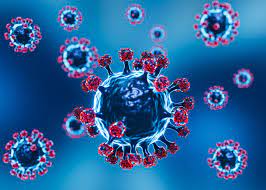
The emergence of the JN.1 sub-variant of COVID-19 has sparked concerns as Delhi reports its initial case, with India witnessing an uptick in the variant’s tally, reaching 109 cases as of December 26. Health Minister Saurabh Bharadwaj confirmed the detection of JN.1, emphasizing its mild nature and assuring the public that it primarily causes mild sickness.
Bharadwaj clarified, stating, “JN.1 is a sub-variant of Omicron and is a mild infection. This is the one spreading in south India. There is no need to panic. It causes mild sickness.”
The confirmation arrived after the sequencing of three samples, revealing one case of JN.1 and two cases of the Omicron variant. Despite the detection, Bharadwaj reiterated that the sub-variant does not warrant panic, emphasizing its mild impact on individuals.
However, amidst this development, a 28-year-old patient, with underlying health conditions, passed away in Delhi. An official clarified that COVID-19 wasn’t the primary cause, citing multiple co-morbidities in the patient. The deceased wasn’t a Delhi resident and had been referred to a private hospital, with COVID-19 diagnosis incidental.
India reported 40 fresh cases of the JN.1 sub-variant, contributing to a total of 109 cases nationwide. The distribution included 36 cases in Gujarat, 34 in Karnataka, 14 in Goa, nine in Maharashtra, six in Kerala, four each in Rajasthan and Tamil Nadu, and two in Telangana. Most affected individuals are currently under home isolation.
The JN.1 sub-variant, recognized as BA.2.86.1.1, originated in August 2023 in Luxembourg and is considered a descendant of the BA.2.86 lineage (Pirola) of the SARS-CoV-2 virus.
In light of this development, Union Health Secretary Sudhansh Pant urged states and Union territories to bolster public health measures. He highlighted the importance of COVID-19 control and management strategies, particularly during the ongoing festive season. The emphasis is on enhanced surveillance, monitoring district-wise cases of Influenza-like Illness (ILI) and Severe Acute Respiratory Illness (SARI) for early detection and containment.
As India grapples with the emergence of the JN.1 sub-variant, health authorities are doubling efforts to implement revised surveillance strategies and ensure effective compliance to mitigate potential spread during this critical phase.
Sources By Agencies