



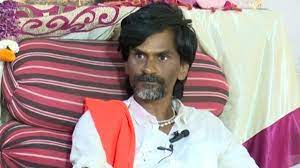
Amidst the passing of the Maratha Reservation Bill in the Maharashtra Assembly, prominent activist Manoj Jarange Patil remains resolute in his hunger strike, underscoring concerns over the allocation of reservation within the Other Backward Classes (OBC) category.
The Maratha community’s quest for reservation has long been a focal point in discussions between community leaders and the state government. Despite the bill’s approval, Patil persists in his protest, emphasizing that any reservation granted should be integrated within the OBC framework rather than established as a separate entity.
According to Patil, the legislature’s decision to introduce separate reservation for the Maratha community risks legal challenges due to its potential breach of the 50 percent quota cap mandated by the Supreme Court. His stance reflects a broader sentiment within the community, emphasizing the desire for equitable representation without fragmentation.
The recent legislative move marks the third attempt in a decade by the Maharashtra government to address Maratha reservation. Previous efforts in 2014 and 2018 were thwarted by legal scrutiny, as the courts deemed the proposed quotas to exceed the prescribed limit and lack exceptional circumstances for justification.
Patil’s steadfast resistance underscores the complexities surrounding reservation policies and the ongoing struggle for equitable representation within the Maratha community. As discussions continue, the outcome of his hunger strike serves as a poignant reminder of the enduring quest for social justice and fair representation in India’s political landscape.
Sources By Agencies