



In Maharashtra, the demand for Maratha reservation has taken a tumultuous turn, with protests escalating into violence and deep-seated grievances against Maratha politicians. The state government is under increasing pressure to address the demands, as the situation continues to deteriorate.
The recent outbreak of violence saw members of the Maratha community setting fire to houses and offices of Maratha MLAs, prompting heightened security measures for Chief Minister Eknath Shinde. An emergency meeting was called, and Mumbai Police were instructed to bolster security around state ministers’ properties. It is anticipated that tension in the state may escalate further in the coming days, with an estimated week needed to defuse the crisis.
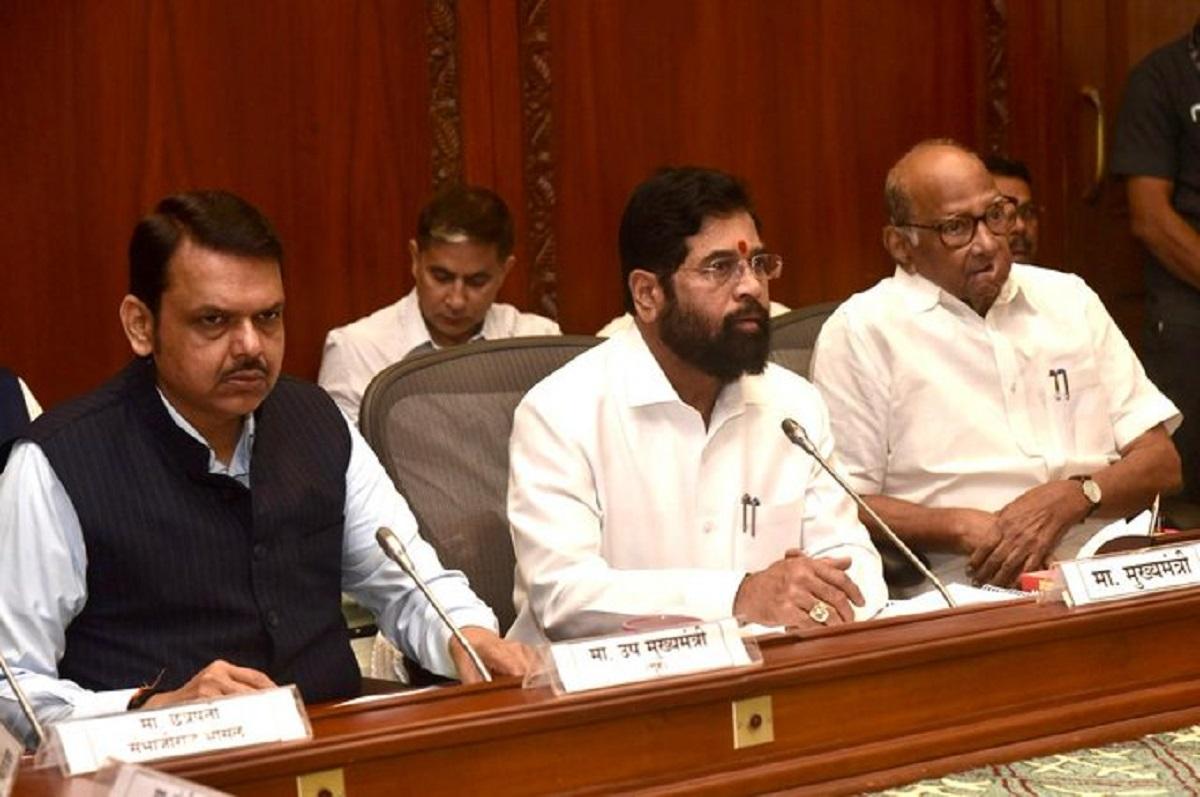
In a rare display of unity, all political parties in Maharashtra have extended their support to Chief Minister Eknath Shinde’s government regarding the reservation for the Maratha community. However, the situation remains complex due to the divided sentiments within the community itself.
Maratha activist Manoj Jarange-Patil has been a prominent figure in the ongoing agitation, insisting on “complete” quota fulfillment for the Maratha community. He expressed dissatisfaction with the state cabinet’s decision to grant Kunbi caste certificates to Marathas in the Marathwada region. In an ultimatum to the government, Jarange-Patil demanded a special session in the state assembly to declare Maratha reservation, threatening to stop drinking water as a form of protest if his demands were not met.
Furthermore, a workers’ union at Chhatrapati Shivaji Maharaj market yard in Pune has called for a one-day shutdown in support of Manoj Jarange-Patil’s demand for Maratha reservation.
The situation took a surprising twist as protestors expressed their anger not only against the government but also against seasoned politicians from the Maratha community across party lines. Political commentator Surendra Jondhale noted a complete disconnect between Maratha leadership and the community’s masses. Despite the Maratha community’s historical political influence, a sense of betrayal has emerged among Maratha youth, who are rejecting established leadership and joining the agitation led by figures like Jarange-Patil.
The Maratha community’s politics has traditionally revolved around Hindutva and caste, and over the years, it has enjoyed significant representation in Maharashtra’s leadership. Yet, the ongoing protests highlight an internal divide, with youth from less privileged backgrounds advocating for their rights. Manoj Jarange-Patil represents the non-establishment class within the community and enjoys widespread support from those without a significant social or political background.
As the crisis deepens and political tensions rise, the Maharashtra government faces a challenging task to find a solution that addresses the demands of the Maratha community, reconciles internal divisions, and ensures peace and security in the state.
Sources By Agencies