

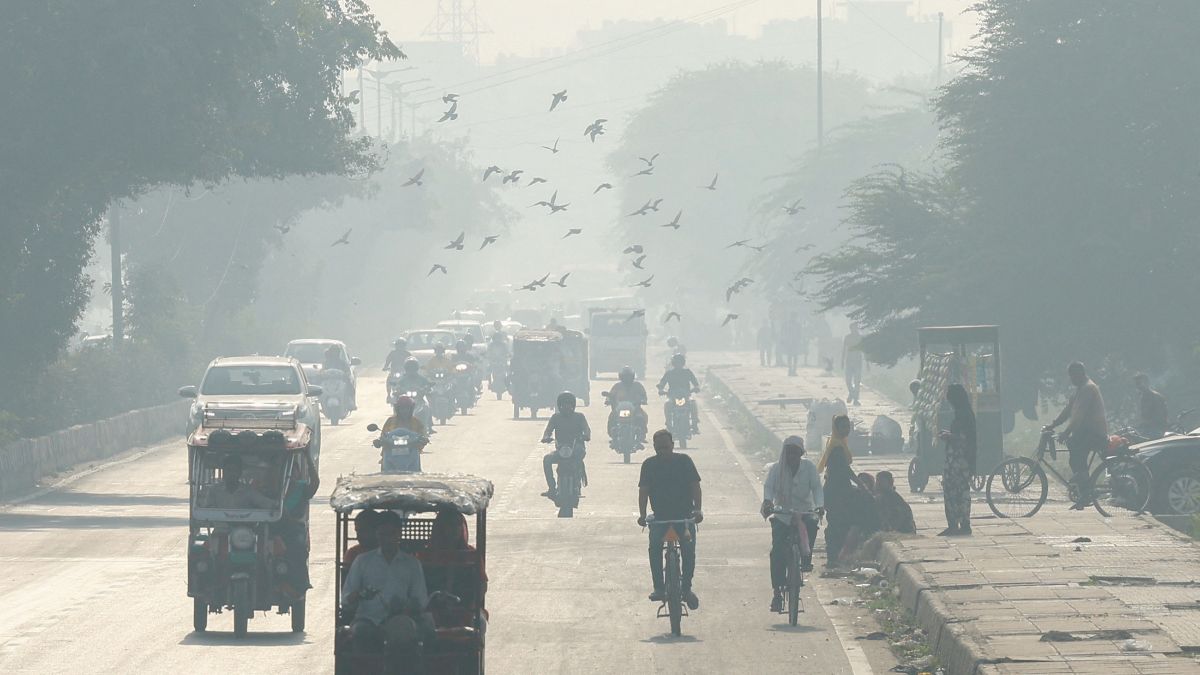


Delhi’s air pollution levels have shown signs of improvement, leading to the revocation of Stage-4 measures under the Graded Response Action Plan (GRAP). The Commission for Air Quality Management (CAQM) announced the decision after the Air Quality Index (AQI) in Delhi improved significantly. As of 5 PM, the AQI was recorded at 364, categorized as “very poor” but below the threshold of 400 that necessitates GRAP-4 measures.
Stages 1-3 Restrictions Still in Effect
Despite the relaxation, curbs under Stages 1, 2, and 3 will remain in place across the National Capital Region (NCR) to prevent further deterioration of air quality. The CAQM emphasized that these measures would continue to be implemented and monitored to maintain the gains in air quality improvement.
GRAP-4 Measures and Previous Reimposition
Stage-4 measures, which include a ban on construction activities, restrictions on the entry of non-essential polluting trucks into Delhi, and a shift to hybrid schooling (excluding classes 10 and 12), were reimposed last week when the AQI crossed 400.
The decision to revoke these stringent measures comes after a week of declining pollution levels, attributed to improved meteorological conditions and wind patterns, according to forecasts from the India Meteorological Department (IMD) and the Indian Institute of Tropical Meteorology (IITM). However, the AQI is expected to remain in the “very poor” category in the coming days.
Persistent Pollution Challenges
Delhi’s air quality typically worsens during the winter months due to several factors, including low wind speeds, vehicular emissions, and stubble burning in nearby states. The Delhi government has taken steps to address the issue, such as implementing a year-round ban on firecrackers. This move recently led the Supreme Court to urge neighboring states like Uttar Pradesh and Haryana to adopt similar measures.
Understanding GRAP
The Graded Response Action Plan is a set of emergency measures designed to combat air pollution based on AQI levels. It includes actions ranging from restricting construction activities to shutting down schools and limiting industrial operations. These measures are adjusted as per the severity of pollution levels, ensuring a flexible and targeted approach to air quality management.
As Delhi breathes a bit easier, authorities remain vigilant to ensure that the improvements are sustained and pollution levels do not spike again.
Sources By Agencies